Sideboard: Elegant Storage and Functional Design for Modern Dining Spaces
A sideboard is a versatile storage furniture piece designed to organize dining essentials while enhancing the visual appeal of the space. Traditionally used in dining areas, modern sideboards have evolved into multifunctional units that offer storage, display, and surface space for serving and decor. With clean lines and practical layouts, sideboards are now a staple in contemporary interiors.
As homes increasingly emphasize organization and refined aesthetics, sideboards provide a balance between function and design that supports everyday living.
 What Is a Sideboard?
 What Is a Sideboard?
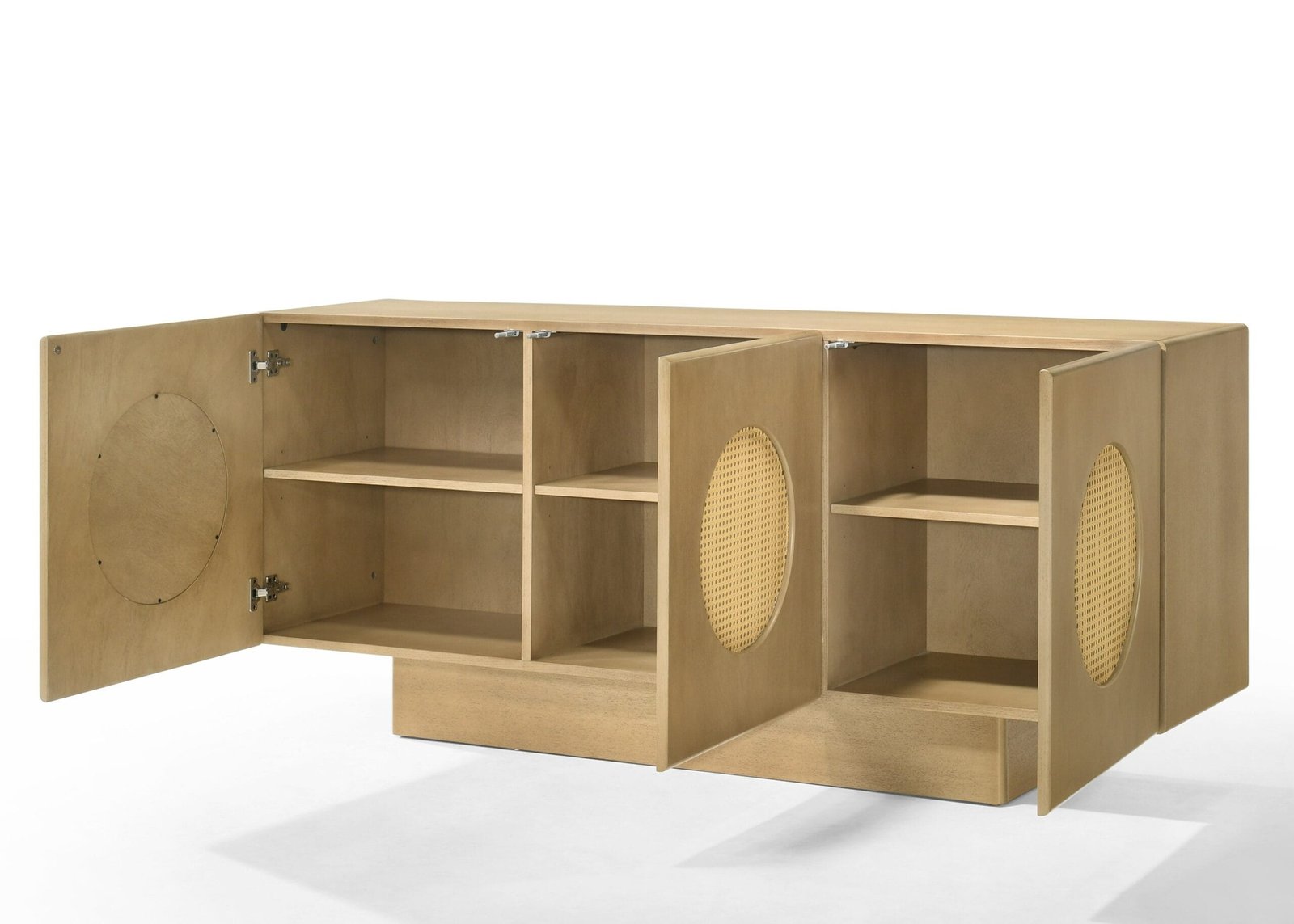
A sideboard is a low-profile storage cabinet typically placed along a wall. It usually features a combination of cabinets, drawers, and shelves designed to store dining items such as tableware, linens, and serving accessories.
Sideboards are designed to complement dining furniture while adding storage without overwhelming the space.
Why Choose a Sideboard?
Sideboards are valued for their ability to keep dining areas organized and visually balanced. They provide accessible storage while maintaining a clean and uncluttered appearance.
- Organized storage: Keeps dining essentials neatly stored
- Functional surface: Ideal for serving and decor
- Space efficiency: Adds storage without bulk
- Design enhancement: Complements dining furniture
Modern Sideboard Design
Modern sideboards emphasize clean lines, smooth finishes, and balanced proportions. These designs avoid heavy ornamentation and instead focus on functionality and material quality.
Neutral finishes and natural textures allow sideboards to integrate seamlessly into contemporary dining spaces.

Types of Sideboards
Sideboards are available in various configurations to suit different needs.
- Cabinet-style sideboards: Concealed storage
- Sideboards with drawers: Organized compartments
- Open-shelf sideboards: Display and access
- Mixed-storage sideboards: Versatile layouts
Materials Used in Sideboards
Sideboards are crafted from materials chosen for durability and visual appeal. Common materials include wood, engineered wood, metal accents, and mixed materials.
Material selection affects longevity and maintenance.
Wood Sideboards
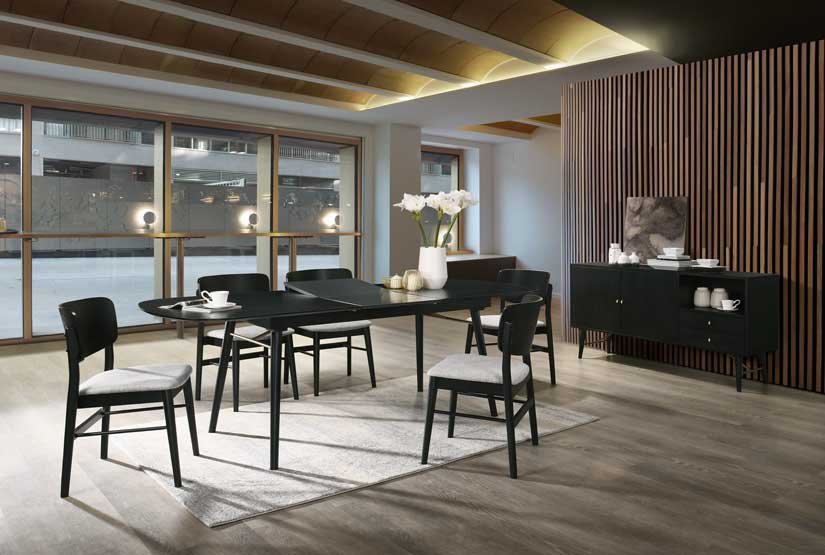
Wood sideboards are especially popular due to their warmth and durability. They add texture and character while remaining functional.
You can explore sideboard options available at Scandinconcept here:
Browse Sideboards at Scandinconcept
Sideboards for Small Dining Spaces
In compact dining areas, slim sideboards with vertical storage work best. These designs maximize storage while preserving floor space.
Light finishes help maintain an open feel.
Sideboards for Large Dining Areas
Larger dining spaces allow for wider sideboards with multiple storage sections. These units create a strong visual anchor.
Extended surfaces provide ample serving space.
Storage Capacity and Organization
Sideboards are designed to store tableware, glassware, linens, and accessories. Drawers help organize smaller items, while cabinets store larger pieces.
Efficient layouts improve daily usability.
Using a Sideboard for Serving
Sideboards are often used as serving stations during meals and gatherings. Their surface provides space for dishes, trays, and beverages.
This improves dining flow.
Choosing the Right Size Sideboard
Size selection is essential. A sideboard should fit comfortably along the wall without obstructing movement.
Proper proportions enhance both function and aesthetics.
Durability and Construction Quality
A quality sideboard features reinforced frames, stable bases, and durable finishes. It must support both storage weight and surface use.
Well-built sideboards maintain stability over time.
Sideboards for Family Homes
In family homes, sideboards provide organized storage for everyday dining items. Durable materials and easy-to-clean surfaces are important.
Functional layouts support daily routines.
Styling a Sideboard
Sideboards can be styled with mirrors, artwork, or minimal decor. Decorative trays and lamps enhance visual appeal.
Balanced styling prevents clutter.
Sideboards Beyond the Dining Area
Sideboards are increasingly used in other areas such as hallways or open-plan spaces due to their versatile design.
This flexibility adds value.
Current Trends in Sideboard Design
Modern trends emphasize minimalist forms, natural finishes, and multifunctional storage.
Furniture platforms such as Got Muebles highlight how sideboards continue to evolve in contemporary interiors.
 Is a Sideboard Worth Buying?
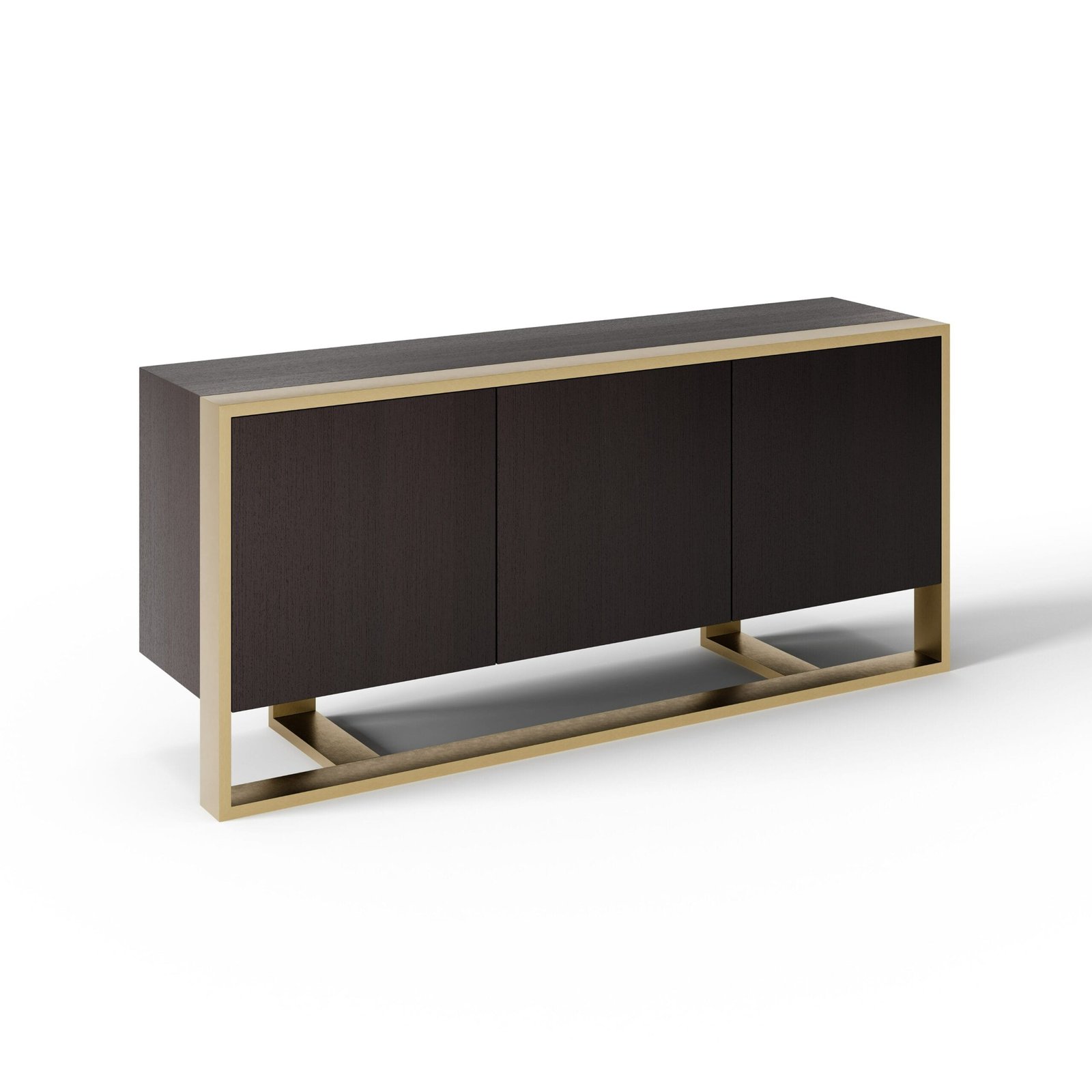 Is a Sideboard Worth Buying?
A sideboard is a worthwhile investment for those seeking organized storage and refined design.
It enhances both functionality and visual balance.
Conclusion: Why Sideboards Remain Essential
The sideboard is a practical and stylish storage solution that enhances dining spaces through organization and design. Its versatility and timeless appeal make it an essential furniture piece.
By choosing a well-designed sideboard from Scandinconcept, homeowners can create organized, elegant, and functional dining environments suited for modern living.