End Table: Compact Functionality and Stylish Support for Modern Interiors
An end table is a practical and stylish furniture piece designed to enhance comfort, organization, and balance within a seating arrangement. Positioned beside sofas or chairs, an end table provides a convenient surface for everyday items while subtly supporting the overall design of the space. Despite its compact size, an end table plays a vital role in modern interiors.
As contemporary homes focus on functionality and efficient layouts, end tables have become essential furniture elements rather than simple accessories.
 What Is an End Table?
 What Is an End Table?
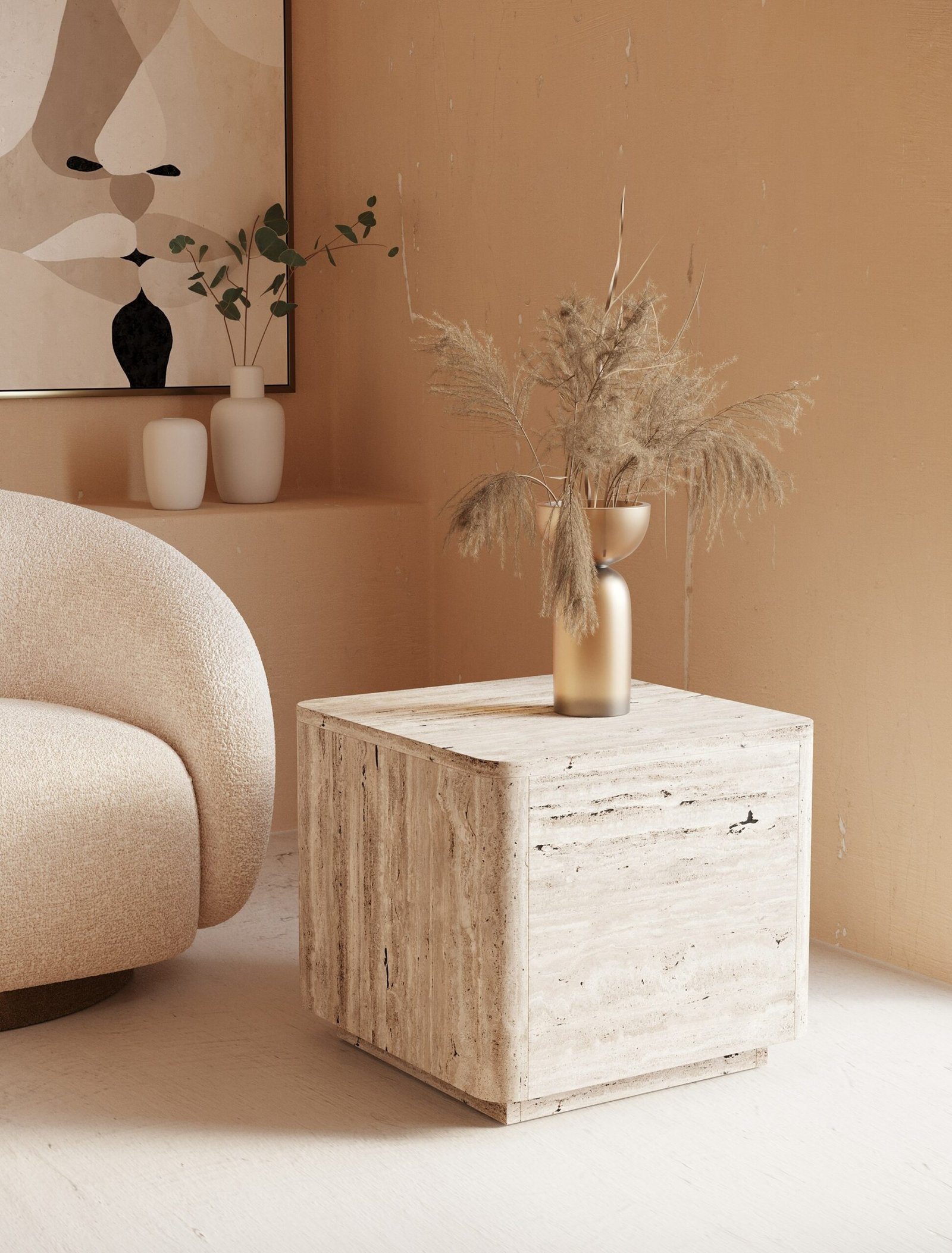
An end table is a small table typically placed at the end of a sofa or next to a chair. It is designed to hold items such as lamps, drinks, books, or decorative accents while remaining easy to access.
End tables are intended to complement surrounding furniture without dominating the space.
Why End Tables Are Important
End tables enhance everyday convenience and contribute to a well-organized layout. They help maintain balance while improving functionality.
- Convenient surface: Keeps essentials within reach
- Design balance: Completes seating arrangements
- Decor support: Ideal for lamps and accessories
- Space efficiency: Functional without taking much room
Modern End Table Design
Modern end tables focus on clean lines, simplicity, and proportion. These designs avoid heavy ornamentation and instead emphasize material quality and subtle detailing.
Modern end tables blend seamlessly with contemporary furniture while maintaining their own functional identity.
 Types of End Tables
 Types of End Tables
End tables are available in a variety of styles to suit different needs and layouts.
- Classic end tables: Traditional proportions with modern finishes
- Nesting end tables: Flexible and space-saving
- C-shaped end tables: Slide easily beside seating
- End tables with storage: Added organization
Materials Used in End Tables
End tables are crafted from materials selected for durability and visual appeal. Common materials include wood, metal, glass, and mixed materials.
Each material offers a distinct look and feel.
Wood End Tables
Wood end tables bring warmth and natural texture to interiors. They are durable, versatile, and suitable for a wide range of styles.
You can explore wood and modern end table options available at Scandinconcept here:
Browse End Tables at Scandinconcept
Metal End Tables
Metal end tables offer a sleek and modern appearance. They are often used in minimalist or contemporary interiors.
Metal frames provide excellent durability and stability.
Glass End Tables
Glass end tables help maintain visual openness by allowing light to pass through. They are ideal for compact spaces.
Tempered glass ensures strength and safety.
Choosing the Right End Table Size
Size selection is crucial when choosing an end table. The table should be proportional to the seating it accompanies.
Ideally, the height of an end table should align with or be slightly lower than the arm of the sofa or chair.
End Tables for Small Spaces
 End Tables for Small Spaces
In smaller spaces, slim-profile end tables work best. Nesting or C-shaped designs offer flexibility without crowding the layout.
Lighter finishes help maintain an open feel.
End Tables for Larger Spaces
Larger spaces allow for more substantial end table designs. Matching end tables on both sides of seating create symmetry and balance.
Multiple end tables improve accessibility.
End Tables with Storage
End tables with drawers or shelves add extra functionality. They help keep small items organized and reduce surface clutter.
Storage end tables are especially useful in busy households.
Placement Tips for End Tables
Proper placement enhances usability. End tables should be close enough to seating for easy access.
They are commonly paired with table lamps to improve lighting.
Styling an End Table
Styling should remain simple and balanced. A lamp, a book stack, or a small decorative item is often sufficient.
Maintaining simplicity preserves a clean and refined look.
Durability and Construction Quality
A quality end table features stable construction, reinforced joints, and durable finishes.
Well-built end tables maintain performance and appearance over time.
End Tables for Family Homes
End tables are practical in family homes when durability and safety are prioritized. Rounded edges and stable bases improve safety.
Easy-to-clean surfaces simplify everyday care.
Current Trends in End Table Design
Modern trends focus on minimalist silhouettes, natural materials, and multifunctional designs.
Furniture collections showcased on platforms like Got Muebles highlight how end tables combine practicality with contemporary style.
Is an End Table Worth Buying?
An end table is a worthwhile investment due to its versatility and everyday usefulness.
It enhances comfort, organization, and visual balance.
Conclusion: Why End Tables Are Essential
 Conclusion: Why End Tables Are Essential
The end table may be compact, but its impact on functionality and design is significant. It supports daily activities while completing seating arrangements.
By choosing a well-designed end table from Scandinconcept, homeowners can create organized, comfortable, and visually balanced spaces suited for modern living.