Coffee Table: Practical Functionality and Stylish Design for Everyday Living
A coffee table is one of the most essential furniture pieces in any seating area. It serves as a functional surface for daily use while also contributing significantly to the overall design and balance of the space. From holding beverages and books to anchoring seating arrangements, a coffee table plays both a practical and aesthetic role.
Modern homes demand coffee tables that are durable, well-proportioned, and visually cohesive with surrounding furniture. Choosing the right coffee table enhances comfort, organization, and interior harmony.
 What Is a Coffee Table?
 What Is a Coffee Table?
A coffee table is a low-height table typically placed in front of seating furniture. It is designed to provide an accessible surface for everyday activities such as placing drinks, decor, magazines, or remote controls.
Coffee tables are available in a wide range of shapes, materials, and styles, allowing them to adapt to different layouts and design preferences.
Why Coffee Tables Are Essential
The coffee table acts as a central functional element within a seating arrangement. Without it, the space often feels incomplete or impractical.
- Everyday convenience: Easily accessible surface
- Design balance: Anchors surrounding furniture
- Organization: Keeps essentials within reach
- Decorative value: Enhances visual appeal
A well-chosen coffee table improves both usability and design flow.
Modern Coffee Table Design
Modern coffee tables emphasize clean lines, simple forms, and functional design. They avoid heavy ornamentation and instead focus on proportion and material quality.
Modern designs often feature slim profiles, open bases, and neutral finishes that blend seamlessly with contemporary interiors.
 Coffee Table Shapes and Layouts
 Coffee Table Shapes and Layouts
Coffee tables come in various shapes, each serving different layout needs. Rectangular coffee tables are the most common, while round and oval designs improve flow in tighter spaces.
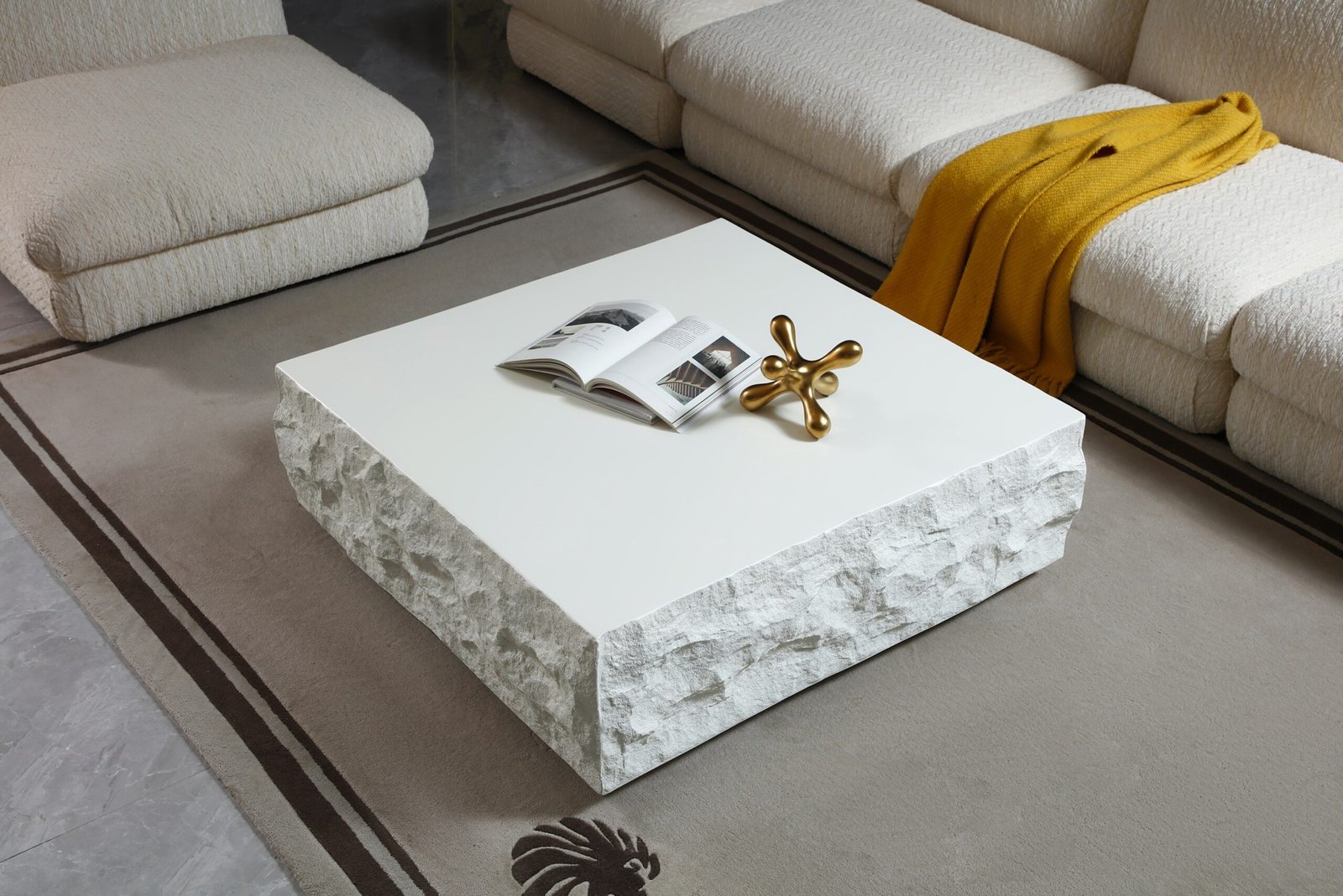
Square coffee tables work well with sectional seating, providing balanced proportions.
Materials Used in Coffee Tables
Coffee tables are crafted from materials chosen for durability and style. Common materials include wood, metal, glass, and engineered wood.
Wood coffee tables add warmth, while glass and metal designs offer a lighter, more contemporary feel.
Wood Coffee Tables for Timeless Appeal
Wood coffee tables remain popular due to their durability and natural aesthetic. They complement a wide range of furniture styles and age gracefully over time.
Natural finishes enhance texture and visual depth.
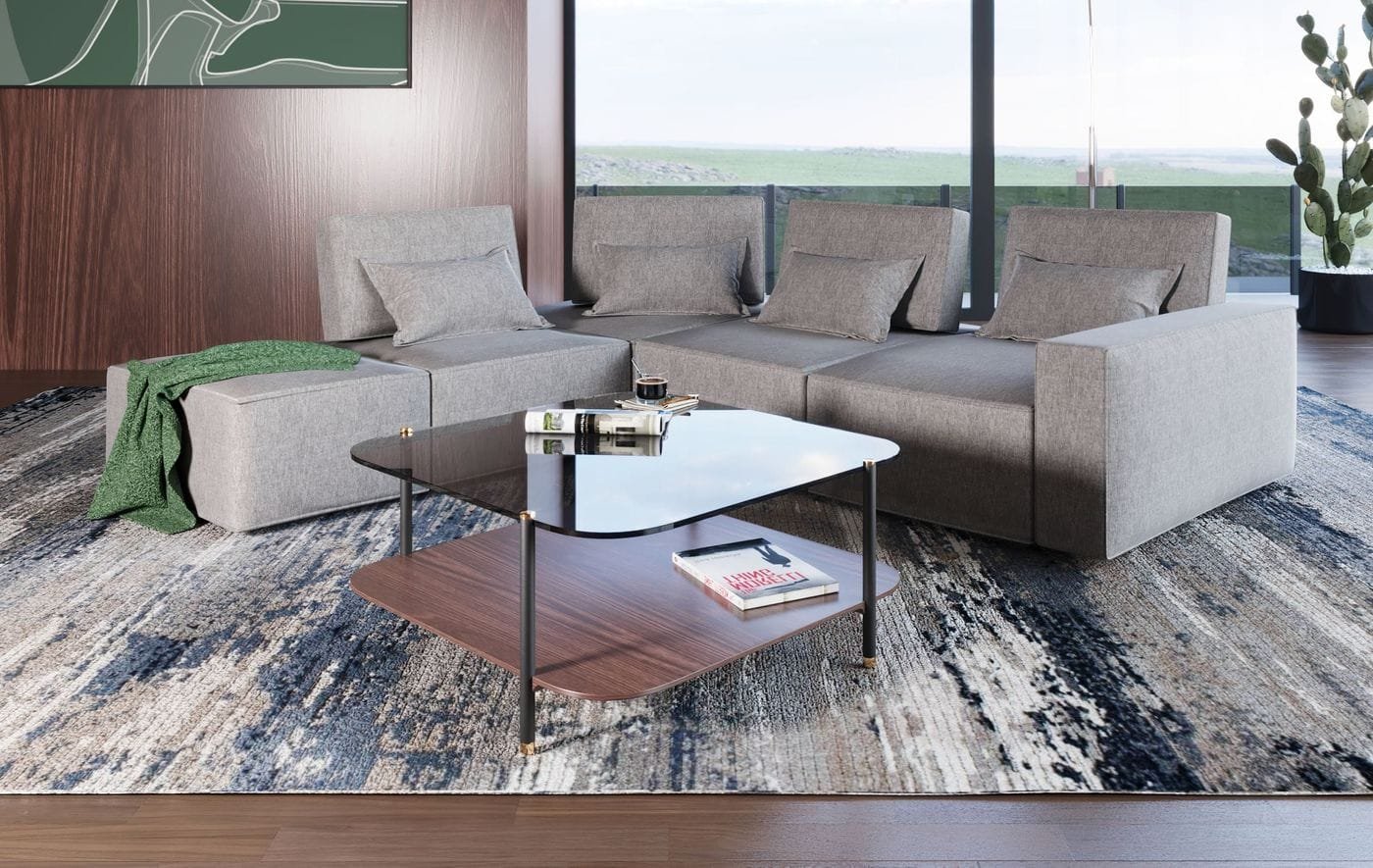
Glass Coffee Tables for Visual Openness
Glass coffee tables help create a sense of openness by allowing light to pass through. They are ideal for smaller spaces or minimalist interiors.
Tempered glass ensures safety and durability.
 Coffee Tables with Storage
 Coffee Tables with Storage
Coffee tables with built-in storage add extra functionality. Shelves and drawers help keep everyday items organized and reduce clutter.
Storage coffee tables are especially useful in compact homes.
Choosing the Right Coffee Table Size
Size is a critical factor when selecting a coffee table. The table should be proportional to the seating arrangement and allow comfortable movement.
A coffee table that is too large can restrict flow, while one that is too small may feel impractical.
Coffee Tables for Small Spaces
In smaller spaces, coffee tables with slim profiles and open bases work best. Nesting coffee tables offer flexibility and space efficiency.
Light colors and glass surfaces help maintain openness.
Coffee Tables for Larger Spaces
Larger spaces allow for more substantial coffee table designs. Wide rectangular or square tables help anchor seating arrangements.
Layering with side tables enhances functionality.
Height and Proportion
The height of a coffee table should complement the seating height. Ideally, the table should be level with or slightly lower than the seat cushions.
Proper proportion improves comfort and accessibility.
Styling a Coffee Table
Styling enhances the visual impact of a coffee table. Decorative trays, books, and subtle accessories add character without clutter.
Maintaining balance and simplicity keeps the design refined.
 Durability and Construction
 Durability and Construction
A quality coffee table features solid construction and stable joints. Durable finishes protect against daily wear and tear.
Well-built coffee tables maintain appearance and function over time.
Coffee Tables for Family Homes
Family-friendly coffee tables prioritize durability and safety. Rounded edges and sturdy materials reduce the risk of damage or injury.
Easy-to-clean surfaces are especially practical for families.
Trends in Coffee Table Design
Current coffee table trends emphasize simplicity, natural materials, and functional design. Minimalist forms and mixed materials are increasingly popular.
Furniture collections featured on platforms like Got Muebles showcase how modern coffee tables balance style with everyday practicality.
Is a Coffee Table Worth Investing In?
A coffee table is a worthwhile investment due to its daily use and central role in furniture layouts.
Choosing a high-quality coffee table enhances both comfort and interior design.
Conclusion: Why the Coffee Table Matters
The coffee table is more than just a surface—it is a functional and visual anchor within any seating area. Its design, size, and material directly impact usability and aesthetics.
With thoughtfully selected coffee table options from Scandinconcept, homeowners can create organized, stylish, and comfortable spaces suited for modern living.